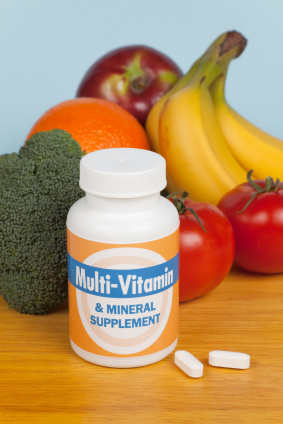
Vitamin E (Alpha-Tocopherol)
Overview:
Vitamin E, otherwise known as alpha-tocopherol, serves as a cofactor
in several enzyme systems. It keeps excessive oxidation from occurring
that could cause harmful effects in the body. Great sources of vitamin
E may be found in wheat germ, nuts and seeds, whole grain cereals,
eggs, and leafy greens.
How This Vitamin Works in Your Body:
Protects fats, cell membranes, DNA, and enzymes against damage
Encourages normal growth and development
Helps prevent vitamin E deficiency in premature infants and those
with low birth weights
Acts as an antioxidant to protect against heart disease and cancer
Anti-blood clotting agent
Helps protect against prostate cancer
Improves immune system
Reduces risk of first fatal heart attack in men
Where This Vitamin is Found:
Almonds
Asparagus
Avocados
Brazil nuts
Broccoli
Canola oil
Corn
Corn oil/margarine
Cottonseed oil
Fortified cereals
Hazelnuts (filberts)
Peanuts/Peanut oil
Safflower nuts/oil
Soybean oil
Spinach
Sunflower seeds
Walnuts
Wheat germ
Wheat germ oil
How to Use:
Available as:
Liquid: the best form due to its high bioavailability and fast absorption.
Always choose liquid as your first choice when supplementing your
diet.
Tablets: available
Recommended Daily Intakes
Men: 10 mg alpha TE (15 IU)
Women: 8 mg alpha TE (12 IU)
Pregnancy: 10 mg alpha TE (15 IU)
Lactation: 12 mg alpha TE (18 IU)
Cautions:
Consult your doctor if you have:
Iron-deficiency anemia
Bleeding or clotting problems
Cystic fibrosis
Intestinal problems
Liver disease
Overactive thyroid
Low-birth weight baby
Over 55:
Not problems should occur.
Pregnancy:
Always consult doctor during pregnancy. Keep dosage within DRI.
Low-birth weight babies at risk for deficiency.
Breastfeeding:
No problems should occur.
Storage:
Heat and/or moisture may alter the vitamin. Refrigeration is recommended.
Symptoms of Deficiency:
Symptoms include in infants irritability, fluid retention and anemia.
Adult symptoms may include lethargy, loss of balance and anemia.
There may be increased risk of heart disease, cancer, and premature
aging with marginal deficiencies.
Overdose:
Signs of Overdose:
Very high doses may cause:
Nausea
Flatulence
Headache
Fainting
Diarrhea
Tendency to bleed
Altered immunity
Impaired sex functions
Increased risk of blood clots
Altered metabolism of thyroid, pituitary and adrenal hormones
Side Effects:
Reaction or effect : What to Do
Abdominal pain : Discontinue. Consult doctor immediately.
Breast enlargement : Discontinue. Refer to your doctor soon.
Diarrhea : Discontinue. Consult doctor immediately.
Dizziness : Discontinue. Refer to your doctor soon.
Flu-like symptoms : Discontinue. Consult doctor immediately.
Headache : Discontinue. Refer to your doctor soon.
Nausea : Discontinue. Consult doctor immediately.
Tiredness or weakness : Discontinue. Refer to your doctor soon.
Vision blurred : Discontinue. Consult doctor immediately.
Interactions:
Interacts with : Combined effect
Antacids : Vitamin-E absorption reduced.
Anticoagulants, coumadin- or indandione-type : Spontaneous or hidden
bleeding may result.
Aspirin (long-term use) : May reduce blood doffing to greater extent
than desired to decrease cardiac
disease.
Cholestyramine : Absorption of vitamin E reduced.
Colestipol : Absorption of vitamin E reduced.
Iron supplements : Use of iron for with iron-deficiency anemia efficacy
decreased. Vitamin-E effect
reduced in healthy people.
Mineral oil : Absorption of vitamin E reduced.
Sucralfate : Absorption of vitamin E reduced.
Vitamin A : Aids absorption storage and utilization of vitamin A.
Possible toxicity of vitamin A reduced.
