What can Mineral Deficiencies Do?
What can Mineral Deficiencies Do?
By: Dr. George Obikoya
Minerals are essential to the functioning of organ systems and our entire body. Some of these minerals exist in large amounts in our body such as calcium. Others such as manganese exist in trace amounts but are, nonetheless, critical to our health and well- being.
Minerals are inorganic substances (unnatural and man made) and they regulate processes within the body. Minerals are in different structures within the body to create enzymes, hormones, skeletal bones, skeletal tissues, teeth and fluids. Calcium and phosphorus are the two most common minerals found in the body. Some of the other prevalent minerals found in the body are; iron, zinc, sodium, potassium, magnesium, fluoride, sulfur, copper, and chloride.
If mineral levels are overabundant in the body, such as sodium, they may facilitate negative effects in the body. High sodium levels may elevate blood pressure. If mineral levels are inadequate in the body, such as iron, they may facilitate negative effects in the body. Low iron levels in women can produce anemia (a deficiency in blood iron levels). Anemia can restrict oxygen and carbon dioxide removal from the cells. Low calcium levels can facilitate irregular muscle contractions, bone density loss, blood clotting and improper brain functioning.
Here is a run-through of the main minerals your body needs and the effects of their deficiency:
Calcium is essential for building and maintaining healthy bones, muscle contraction and blood clotting mechanism. Calcium is also essential to build healthy teeth. Calcium deficiency symptoms include muscle aches and pains, muscle twitching and spasm, muscle cramps and reduced bone density. Vitamin D is essential for proper calcium absorption and utilization.
A lack of calcium can cause rickets in children and osteoporosis in adults. Both conditions cause softening and weakening of the bones and can result in proneness to fractures. Postmenopausal women are especially likely to have calcium deficiency because of the reduction in estrogen during this period in their lives.
Estrogen helps to keep calcium in the bones. Women, particularly older ones, need to supplement their diets with calcium. Calcium and vitamin D are important for maintaining bone density and reducing the risk of fractures. In elderly, ambulatory, white women over the age of 65 who were not using estrogen replacement, supplementation of calcium and vitamin D produces a significant improvement in bone density and reduction of fractures.
Through a combination of diet and supplements, women receiving hormone-replacement therapy (HRT) should get at least 1200 mg/d of calcium, while the goal should be 1500 mg/d for women not receiving HRT. Recommendations for vitamin D intake are now 400 IU/d for women aged 51 through 70, and 600 IU/d for those over 70 years of age.
Children and teenagers, those on restricted diets (avoiding dairy products), the elderly, vegans and those concerned about osteoporosis also have higher needs for calcium.
Chromium is involved in the processes that make glucose available for energy. It is also important for the metabolism of amino acids (the 'building blocks' of proteins) and fats. Deficiency symptoms include glucose intolerance or insulin resistant hyperglycaemia (excess sugar in the blood), raised serum lipids and weight loss. Studies have shown that chromium helps to lower blood sugar in individuals with type II Diabetes.
Older people (over 55) plus those who exercise regularly as this may increase the loss of chromium from the body in urine, and will need chromium supplementation. Note, however, that some chromium supplements contain yeast, which can interfere with certain prescription medicines. Individuals with diabetes should only take chromium under medical supervision. Chromium is unsuitable for pregnant or breast-feeding women, or for epileptics.
We need copper for proteins involved in growth, nerve function and energy release. It is vital for the formation of some important proteins. It is a critical functional component of a number of essential enzymes, known as cuproenzymes. Two copper-containing enzymes, ceruloplasmin (ferroxidase I) and ferroxidase II are involved in iron metabolism. Copper is stored in appreciable amounts in the liver. It also has anti-oxidant properties and involved in the regulation of gene expression.
One of the most common clinical signs of copper deficiency is an anemia that is unresponsive to iron therapy but corrected by copper supplementation. The anemia results from defective iron mobilization. Copper deficiency may also result in abnormally low numbers of white blood cells, which can make you susceptible to infections and unable to combat them when they occur.
Iron-deficiency anemia is a form of anemia caused by lack of iron.
The body needs iron to make hemoglobin, a substance in red blood
cells that carries oxygen from the lungs to body tissues.
Much of the iron our body is stored in the bone marrow that makes
blood cells. When there is not enough iron in the bloodstream, the
body uses the bone marrow reserves. If this iron stored in the bone
marrow is low, red blood cells do not form properly: they are smaller
than usual (microcytosis) and fewer.
As a result, less hemoglobin is available to transport oxygen throughout
the body. Iron-deficiency anemia is the leading nutritional deficiency
in the world and the most common type of anemia. In the United States,
approximately 5% of women and 2% of men have iron-deficiency anemia.
When you have iron-deficiency anemia, you will likely have fatigue,
dizziness, irritability, headaches, difficulty concentrating, shortness
of breath during exercise, a pale appearance, brittle nails, and
cracked lips.
You should not take too much iron supplements. Besides the risk
of constipation, a recent study reported in Journal of the American
Medical Association, shows that women who store too much iron in
their body may be at increased risk for type 2 diabetes.
Magnesium plays important roles in the structure and the function of the human body, involved in more than 300 essential metabolic reactions, including energy production. The adult human body contains about 25 grams of magnesium. Signs of magnesium deficiency include low calcium, hence the diseases associated with it, low serum potassium levels (hypokalemia), retention of sodium, low circulating levels of parathyroid hormones (PTH,) neurological and muscular symptoms such as tremors, muscle spasms, tetany, loss of appetite, nausea, vomiting, and personality changes.
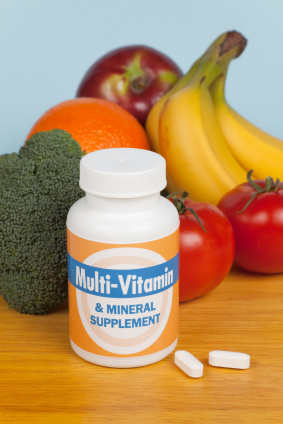
The other trace minerals such as Molybdenum, selenium, phosphorus, iodine, potassium, sodium and zinc play important roles in our health and well-being and their deficiencies can create a variety of health problems for us. Thus, iodine lack can cause goiter, an enlargement of the thyroid gland and its associated symptoms and an important health problem throughout much of the world. A high-quality liquid multivitamin will contain all the minerals that your body needs. Americans spend almost $2 billion on vitamin and mineral supplements each year. There is doubt that this is money well spent all told.
A good multivitamin is the foundation of health and nutrition. Take a look at our scientific reviews of many of the popular brands for factors such as ingredients, areas of improvement, quality level, and overall value. If you are looking for a high quality liquid multivitamin, we suggest that you take a look at the Multivitamin Product Comparisons.
