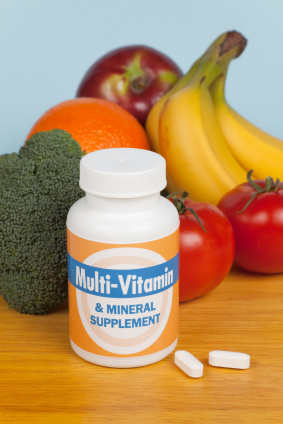
Potassium Benefits
The Benefits of Potassium
By: Dr. George Obikoya
Potassium is an electrolyte (a substance that maintains your body's fluid levels), this mineral helps regulate blood pressure and heart function. Research shows that increasing your potassium intake can lower your blood pressure. Those individuals with existing hypertension, as well as those just looking to keep their blood pressure in check, can benefit from potassium.
A Harvard study showed that men who took a potassium supplement with a diuretic decreased their incidence of stroke by 60 percent, compared to men who did not. Potassium neutralizes acids and restores alkaline salts to the bloodstream. Potassium works with sodium in all cells including at nerve synapses to maintain or restore membrane potentials and to assist in metabolic processes. Potassium is critical to our cardiovascular and nerve functioning, regulating the transfer of nutrients into cells and facilitating muscle energy.
Potassium also regulates water balance and assists recuperative powers. Potassium aids rheumatic or arthritic conditions (causing acids to leave the joints and ease stiffness). Potassium is crucial for the elimination of wastes. Potassium is a natural pain desensitizer. Potassium helps control convulsions, headaches and migraines, promotes faster healing of cuts, bruises and other injuries and generally contributes to a sense of well being. Potassium is stored in the muscles. Body builders use a "potassium load" to give their muscles more energy but there is no scientific proof of its effectiveness.
Potassium naturally wants to bind to something to form a potassium compound. Since the human body is very inefficient at breaking down compound minerals, only a small percentage of the Potassium we consume actually gets used. To be utilized, Potassium must be in elemental form. The Potassium molecule needs be small enough to enter an individual cell, and it must be inside a water molecule.
Thus, Potassium must be water-soluble. Water-soluble minerals cannot build up in the body. Therefore they do not reach toxic levels. You can also get your potassium by eating lots of produce - bananas, orange juice, dried dates, and apricots. You need about 3,500 mg daily, but over-the-counter supplements contain no more than 99 mg.
The small amount of potassium in your multivitamin is fine, and don't take more than 99 mg daily in supplement form because it can irritate your stomach. The effective dose of potassium you need? Take a multivitamin and eat at least five servings of fruits and vegetables daily.
Potassium taken in excess can throw off your electrolyte balance and slow your heart down to dangerous levels. Potassium supplementation is, however, important for people taking certain types of diuretics, those that are non-potassium sparing such as Lasix.
Some Symptoms of Potassium Deficiency include poor circulation, bluish tint to skin, Chronic-Fatigue Syndrome, diabetes, earaches, edema, headaches, heart palpitations, hypertension, insomnia, intestinal pain, muscle weakness, oppressive breathing, pain in the eyes, prolapsed uterus, swollen glands, tissue anemia, and water retention.
All wasting diseases are associated with loss of potassium from the tissues. Potassium deficiency disturbs the excitability of tissues and leads to paralysis of muscle, including cardiac muscle. Sodium and potassium are two of the most important ions in maintaining the homeostatic equilibrium of the body fluids.
It is important that one be very careful in choosing a top quality supplement manufacturer when buying your mineral, including potassium. Take the following precautions when doing so:
Because minerals work synergistically, it is important that your supplement be formulated by scientists with top notch credentials. Many products on the market are simply "thrown together" and many of the ingredients can end up canceling each other out or even have harmful consequences. Moreover, supplements that are not scientifically formulated generally have poor bioavailability, which means that most of the ingredients will simply pass through the system and excreted with little to no benefit.
Because the supplement industry is not regulated in the U.S., consumers only have a one in five chance of buying what is stated on the label. Not only that, but many supplements have been verified by independent third party tests to have toxic contaminants, such as lead. It is therefore absolutely crucial that you choose a manufacturer that follows pharmaceutical GMP compliance, which is the highest standard possible.
Choose a mineral supplement that uses the chelated form. Chelated minerals are ones that are attached to protein molecules, which in turns allows them easier transport into the bloodstream for better absorption. Minerals that can come in chelated form are: boron, manganese, molybdenum, selenium, vanadium. Call or email the company and ask if they have a certificate of analysis on file, confirming the potency of each batch. Avoid companies that do not respond or waver in their answer.
A good multivitamin is the foundation of health and nutrition. Take a look at our scientific reviews of many of the popular brands for factors such as ingredients, areas of improvement, quality level, and overall value. If you are looking for a high quality liquid multivitamin, we suggest that you take a look at the Multivitamin Product Comparisons.
