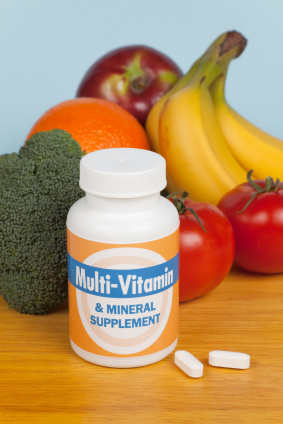
DHEA
Overview:
Dehydroepiandrosterone (DHEA) is a steroid produced in the adrenal
gland (located on the top of the kidneys) in the human body. It is
unknown whether DHEA causes hormonal effects, however the body breaks
down DHEA into the hormones estrogen and testosterone. The concentration
of DHEA is at its max at about the age of 20 and then progressively
goes down during the aging process. Supplements are sold to fight
the aging process.
How This Supplement Works in Your Body:
For some individuals it improves the overall feeling of well-being.
AIDs patients and those with multiple sclerosis have reportedly
experienced improvements in their well-being, yet there was no outcome
change.
May boost energy
May increase strength
May enhance body's immunity
May build muscle
May reduce amount of fat
May improve sense of well-being in those living with AIDS or multiple
sclerosis
How to Use:
Available as:
Tablet or capsule form
Cautions:
Don't take if you:
Are allergic to DHEA
Consult your doctor if you:
Have any chronic health problems
Have a family history of cancer
Experience any allergies to any medication, food or other substance
Over 55:
Lower doses are advised until a response is determined.
Pregnancy:
Consult with your physician to determine if any benefits of taking
DHEA outweigh the risk to your unborn child. Since DHEA is not regulated
by the FDA, the risk to an unborn child is unknown.
Breastfeeding:
Whether DHEA passes into milk is unknown. Do not use DHEA while
nursing or discontinuing nursing until the medication is complete.
Consult your physician for suggestions on maintaining milk supply.
Infants and Children:
It is hazardous to treat infants and children under 2 with any supplement.
Safe dosage:
DHEA, as a product, is marketed as a dietary supplement.
The dosage is varied among brands. Follow the instructions printed
on the label or consult your physician or pharmacist and do not
take it with any prescribed or over-the-counter drugs.
DHEA has not been reviewed by the U.S. Food and Drug Administration
(FDA) to determine it's effectiveness and safety. Optimal dosage
amounts are unknown. Use caution when taking this drug.
Toxicity:
Information on the comparative-toxicity rating cannot be found in
standard references.
Side Effects:
Signs and symptoms : What to do
Infrequent: In womenacne, hair loss, facial hair growth (hirsutism),
deepening of voice (the last two may be irreversible)
Discontinue use. Call doctor when convenient.
